
ტექნიკური მარილი და ბაღი — რატომ კლავს ის გაზონსა და მცენარეებს და რა გამოვიყენოთ სამაგიეროდ
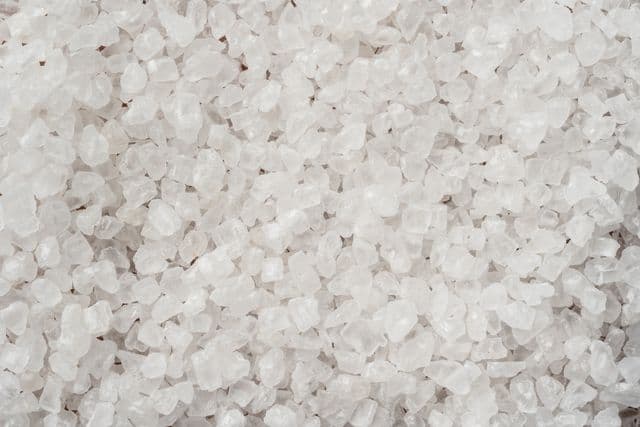
გაზაფხულზე ბევრი მფლობელი დაავადებას ან მავნებელს ეძებს, როცა გაზონი ბილიკის გასწვრივ ყვითლდება და მარადმწვანე ბუჩქებს გზის მხრიდან წვერები ეხმება. სინამდვილეში ეს თითქმის ყოველთვის ზამთრის ნაშთია — ყინულის საწინააღმდეგო ტექნიკური მარილი.
რას აკეთებს მარილი ნიადაგში
ჩვეულებრივი ტექნიკური მარილი ნატრიუმის ქლორიდია (NaCl). წყალში ის ორ ნაწილად იშლება და თითოეული თავისებურად აზიანებს ბაღს:
- ნატრიუმი (Na⁺) ნიადაგში კალციუმისა და მაგნიუმის ადგილს იკავებს. ნიადაგის სტრუქტურა ინგრევა, ნაწილაკები ერთმანეთს ეწებება, ნიადაგი იკუმშება და წყალგამტარობას კარგავს. შედეგად ფესვები რჩება დატკეპნილ, ცუდად აერირებულ გარემოში.
- ქლორი (Cl⁻) ფესვებით შეიწოვება, მცენარეში მოძრაობს და ფოთლის კიდეებში გროვდება. სწორედ ეს იძლევა დამწვრობის მსგავს ყავისფერ წვერებს.
- ოსმოსური წნევა — მარილიანი ნიადაგიდან მცენარეს წყლის შეწოვა უჭირს. ანუ სველ ნიადაგშიც კი ის გვალვას განიცდის.
მთავარი ისაა, რომ მარილი ბილიკზე არ რჩება: დამდნარი წყალი მას გვერდით მიაქვს — ზუსტად იქ, სადაც გაზონისა და ბუჩქების ფესვებია.
სიმპტომები, რომლებიც გაზაფხულზე ჩნდება
- გაზონის ყავისფერი ან გაყვითლებული ზოლი ბილიკისა და ავტოსადგომის გასწვრივ
- მარადმწვანეების (თუია, ღვია, ბზა) ყავისფერი წვერები მხოლოდ გზის მხრიდან
- კვირტების გვიან და არათანაბრად გაშლა
- ტოტების ხმობა ერთი მხრიდან, სანამ მცენარის დანარჩენი ნაწილი ჯანმრთელია
- ნიადაგის ზედაპირზე ქერქის წარმოქმნა და წყლის შეგუბება
დამახასიათებელი ნიშანი ყოველთვის გეომეტრიაა: დაზიანება ბილიკის ხაზს მიჰყვება. დაავადება ასე სწორ ზოლს არ ხატავს.
რამდენი მარილია „ბევრი“
ზუსტ ზღვარს მხოლოდ ნიადაგის ანალიზი აჩვენებს — ნატრიუმის შემცველობა და ნიადაგის მარილიანობა იზომება ლაბორატორიაში, თვალით ეს არ დგინდება. თუ ერთი და იმავე ადგილას ზოლი ყოველ გაზაფხულს ჩნდება, ღირს ნიადაგის ანალიზის გაკეთება, სანამ ხელახლა დათესავთ — წინააღმდეგ შემთხვევაში ახალი თესლიც იმავე პრობლემას შეხვდება.
ალტერნატივები, რომლებიც მუშაობს
ინერტული მასალები — არ ადნობს, მაგრამ სრიალს აჩერებს:
- ქვიშა — იაფი და მცენარისთვის უსაფრთხო. მინუსი: გაზაფხულზე მისი აგვა და გატანა სჭირდება, ხოლო წყალარინებაში მოხვედრილი ქვიშა მილს ჭედავს.
- გრანიტის ნატეხი — უკეთესი წიდა ქვიშაზე, არ იფხვნება და კარგად „იჭერს“ ყინულს.
ეს ორი საუკეთესო არჩევანია ბაღის სიახლოვეს — განსაკუთრებით გაზონისა და ბუჩქების გასწვრივ.
მადნობი რეაგენტები — როცა ყინული მართლა უნდა მოიხსნას:
- კალციუმის ქლორიდი (CaCl₂) — მუშაობს უფრო დაბალ ტემპერატურაზე, ვიდრე NaCl და ნიადაგში ნატრიუმს არ ამატებს. ისიც მარილია, ამიტომ ზომიერად.
- მაგნიუმის ქლორიდი (MgCl₂) — მცენარისთვის შედარებით რბილი, სამაგიეროდ ლითონსა და ბეტონს უფრო აზიანებს.
- კალციუმის მაგნიუმის აცეტატი (CMA) — ყველაზე უსაფრთხო მცენარეებისა და ნიადაგისთვის და ყველაზე ძვირი. ლოგიკურია მცირე, კრიტიკულ მონაკვეთებზე: შესასვლელი, კიბე, პანდუსი.
რა არ გამოვიყენოთ:
- სასუქი შარდოვანას (კარბამიდის) სახით — ხალხური რჩევაა, მაგრამ ცუდი იდეაა: ყინულს სუსტად ადნობს, სამაგიეროდ აზოტი ჩაირეცხება წყალარინებაში და გაზაფხულზე მცენარეს არასეზონურ ზრდას აიძულებს.
- ცხელი წყალი — ერთ საათში ის ორმაგად სქელ ყინულად იქცევა.
პრაქტიკული წესი: სად დაიყრება თოვლი
ყველაზე ხშირი შეცდომა რეაგენტის არჩევა კი არა, გაწმენდილი თოვლის ადგილია. თუ ბილიკიდან აღებულ, უკვე დამარილებულ თოვლს გაზონზე ან ბუჩქების ძირში დაყრით, მთელი სეზონის მარილს ერთ კვადრატულ მეტრში კონცენტრირებთ.
- თოვლი დაიყარეთ დრენირებულ, გამკვრივებულ ზედაპირზე — არა გაზონზე, არა ხის ვარჯის ქვეშ
- ახალდათესილი გაზონი და ახლადდარგული ბუჩქები სრულიად აარიდეთ
- დამუშავებულ ბილიკსა და გაზონს შორის, სადაც შესაძლებელია, დატოვეთ ქვიშის ან ხრეშის ზოლი
თუ მარილი უკვე მოხვდა — რა ვქნათ გაზაფხულზე
- ჩარეცხვა. ადრე გაზაფხულზე დაზიანებული ზოლი უხვად მოირწყება, რამდენჯერმე — რომ ნატრიუმი ფესვთა ზონის ქვემოთ ჩაირეცხოს. ეს მუშაობს მხოლოდ იქ, სადაც წყალი მართლა გადის.
- თაბაშირი (კალციუმის სულფატი). კალციუმი ნატრიუმს ცვლის ნიადაგის შთანთქმის კომპლექსში და სტრუქტურის აღდგენას უწყობს ხელს. დოზა ნიადაგის ანალიზზე დგინდება.
- ორგანიკა და აერაცია. კომპოსტი პლუს გაზონის აერაცია აღადგენს წყალგამტარობას, რომელიც ნატრიუმმა დაარღვია.
- ხელახლა დათესვა — ბოლოს. ჯერ ნიადაგი, მერე თესლი. საპირისპირო თანმიმდევრობა ფულის დაკარგვაა.
პრევენცია დარგვის ეტაპზე
თუ ბილიკის ან ავტოსადგომის გასწვრივ ახალი ნარგავები იგეგმება, ჯობს თავიდანვე შედარებით მდგრადი სახეობები შეირჩეს — მაგალითად ღვია, ფშატი, სპირეა და დეკორატიული ბალახები. ბზა და თუია, პირიქით, ყველაზე მგრძნობიარეა და მათი ადგილი დამუშავებულ ბილიკს არ უნდა ესაზღვრებოდეს.
შემდეგი ნაბიჯი
ჩვენ ზამთრის დამუშავებას ბაღის რუკაზე ვგეგმავთ: სად შეიძლება მადნობი რეაგენტი, სად მხოლოდ ინერტული და სად დაიყრება თოვლი. დეტალები ზამთრის სერვისების გვერდზეა, ხოლო თუ გაინტერესებთ, ვინ და როგორ ასუფთავებს ტერიტორიას — წაიკითხეთ თოვლის გაწმენდა თბილისში.